Middle East
Iran Fires Missiles at Persia as Part of Retaliation Against American Strikes
On February 30th, the U.S. launched strikes on Iran as part of a joint operation with Israel. Though the primary aims of the conflict have yet to be made clear, the U.S. has severely damaged the Iranian military and political leadership, including by killing Ayatollah Ali Khamenei–Iran’s supreme leader–on the first day of the conflict. Iran has reacted with defiance, launching retaliatory strikes on Israel and American military bases in the area. It has also escalated the conflict further by attacking nations that were ostensibly not involved in the Israeli/American strikes–including Iran’s historic ally, Persia. The cause behind these strikes was unclear, prompting Persian leaders to respond with outrage. The rift between the two countries is unprecedented; it marks the first time they have disagreed, ever. Even so, Persia’s foreign minister struck a conciliatory tone the next day, claiming that “[t]he more Iran strikes Persia, the more Iran hurts itself.”
Europe
Mayor of Istanbul Put On Trial for Looking at Turkish President
The mayor of Istanbul was arrested last year on suspicion of looking at the Turkish president, Recep Tayyip Erdogan; his trial began on March 9th. Prosecutors in the case are seeking a nearly 2,000-year jail sentence for what they refer to in a 10,000 page indictment as “blatant and malignant surveillance” of Mr. Erdogan intended to “gather classified national security secrets and destabilize, possibly destroy” Turkish society. Mr. Imamoglu denies these charges and maintains that they are politically motivated. At a recent press conference he claimed that “staring is hardly considered to be a crime,” which is true to an extent; while Turkish law does not expressly forbid close observation of elected leaders, it does outlaw treasonous activity, something Mr. Imamoglu’s actions could very well be considered.
China to Build Major “Cybercrime Facility” in Hungary
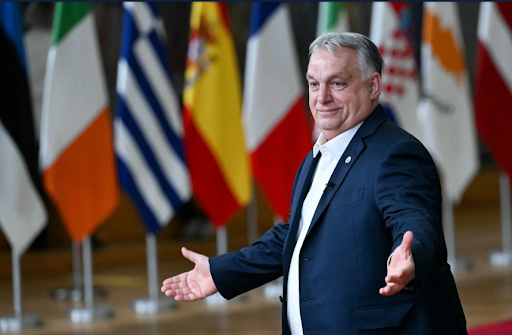
A new, high-speed Budapest-Belgrade railway line built under the auspices of China’s Belt and Road Initiative (BRI) opened last month, cutting the travel time between the two cities in half and expanding China’s influence in Europe. China appeared to cash in on this new influence when it announced that it intended to build a state-of-the art “cybercrime facility” in Hungary, near the border with Austria. While it remains unclear what exactly this construction project is for, China’s Xi Jinping has since admonished European leaders about keeping valuable state secrets to themselves. “The Communist Party of China believes that all information should be shared equally for the benefit of the international working class,” Mr. Xi said in a statement, “and to that end we are taking steps to ensure that no ‘information barrier’ exists between Europe and the People’s Republic [of China].” When asked about any national security concerns that may arise from such an arrangement, Prime Minister Viktor Orbán of Hungary instead chose to compliment the BRI, referring to it as a “perfectly legitimate scheme to develop infrastructure and China’s global domination.” Besides, he added, “visiting Serbia has never been easier than it is today–especially for members of Fidesz [Mr. Orbán’s political party], who will all receive one free ticket for the new railway line.”