I think it’s reasonable to say that nobody likes getting sick. For some, getting sick isn’t a large problem, they feel a little under the weather for a few days, maybe miss a bit of school, but it isn’t a lasting issue. However, last fall, I was especially wary of sickness because I was being treated for Hodgkin’s Lymphoma, a type of cancer, and my immune system was severely weakened from the chemotherapy treatment I was undergoing. I am now cancer free and have been off chemotherapy for a bit more than a year, but I still remember the challenges of having a severe illness. Specifically, I remember the challenges of having a weakened immune system (also known as being immunocompromised), meaning if I got sick, even with something minor like a cold, I could have become seriously ill and even ended up in the hospital. I was fortunate enough to only get one minor sickness while immunocompromised, which didn’t result in a hospitalization, but that’s mostly thanks to my diligence and carefulness to avoid sickness. During this time, I noticed how careless people were when they came to school sick. For instance, I began to notice that very few people wear masks or physically distance themselves from others when they come to school sick, and as a result, they are more likely to infect those around them. I even witnessed people who were clearly sick with a cold or the flu at school without a mask, chalking up their symptoms as simple “allergies” to justify their lack of precautions taken and, as a result, they risked infecting others.
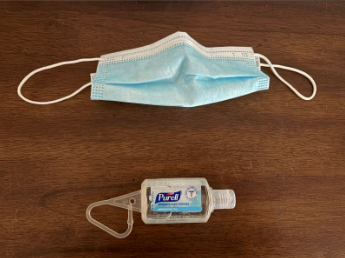
I feel that even though flu season is coming to an end, a discussion of sickness precautions is warranted. Although missing school can create unwanted stress, and although masks can be uncomfortable, it is far more important to be considerate of others and follow safety precautions such as wearing a mask, washing your hands, and keeping physical distance between yourself and others. If you’re ever unsure of how to act when sick, keep in mind that the World Health Organization says that “measures such as performing hand hygiene, respiratory hygiene, and cough etiquette as well as voluntary self-isolation and mask wearing…can reduce the transmission of influenza viruses”.
Taking these precautions is important to keep those at Centaurus who are immunocompromised or have immunocompromised family members (who have enough to worry about without agonizing over whether or not they’ll get sick) safe. If nothing else, taking safety precautions means that you’re not subjecting everyone else around you to the inconvenience you experienced by being sick. With all that being said, the next time you’re sick, please be careful to avoid infecting others so you can keep our community safe.