Since its release in 1988, the world-famous action film Die Hard has sparked a long-running debate among movie-goers: Is Die Hard a Christmas movie? In short—yes. While not everyone agrees, there are plenty of compelling reasons to consider it a true holiday classic.
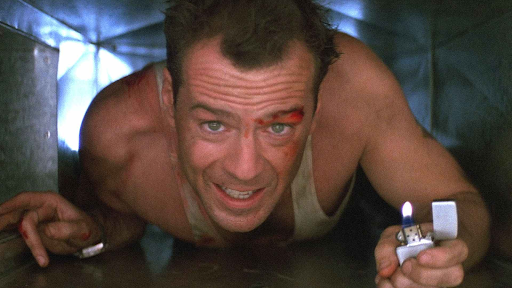
Die Hard follows NYPD detective John McClane, who flies to Los Angeles on Christmas Eve in an attempt to reconcile with his estranged wife, Holly, during her company’s holiday party. The festivities are abruptly halted when a crew of highly sophisticated terrorists, led by Hans Gruber, take over the Nakatomi Plaza skyscraper, holding everyone hostage. McClane, barefoot and armed with nothing but his wits, slips away and begins a one-man guerrilla fight through the building. As law enforcement outside mishandles the crisis, McClane becomes the barrier standing between Gruber and the millions he plans to steal. The story builds to a tense and unforgettable showdown that cements McClane as an unlikely hero.
So why, exactly, is Die Hard a Christmas movie?
To begin with, the entire plot unfolds on Christmas Eve—an unmistakable signal that the holiday setting is intentional, not incidental. The takeover happens during the company’s annual Christmas party, decorated with lights, trees, champagne, and festive music. But the holiday presence goes far beyond simple background aesthetics. The film frequently uses Christmas imagery and humor, from “Let It Snow” during the end credits to McClane’s famously dark, “Now I have a machine gun—ho ho ho” message.
Beyond visuals and music, the film also embraces major Christmas themes. Reconciliation is central to the story: McClane travels across the country to repair his marriage, and by the end of the movie, he and Holly rediscover their bond and are able to spend Christmas together—the very thing McClane intended to do. The idea of family—a foundation of most Christmas films—is at the emotional heart of Die Hard. Even McClane’s friendship with Sgt. Al Powell (a local policeman) highlights themes of trust, connection, and human compassion.
Now take Home Alone, for example. It’s the story of a young boy, accidentally left behind while his family travels to Paris, who must bravely defend his home from two burglars intent on stealing their valuables. If you looked at the plot in isolation, it wouldn’t immediately scream “Christmas.” Yet everyone agrees that it is one. Why? Because it’s set during the Christmas season, filled with festive visuals and holiday music. And beyond that, it shares the same central theme that Die Hard focuses on as well—family. It’s the emotional core, not just the decorations, that makes it resonate with holiday audiences. In the end, the spirit of Christmas isn’t defined strictly by decorations and holiday characters, but by the feelings a story evokes.
Die Hard has become a modern holiday tradition in its own right. Many fans watch it annually during December, the same way others revisit It’s a Wonderful Life or Christmas Vacation. The cultural ritual surrounding the film has solidified its status as a Christmas favorite, making it part of the holiday season for countless households.
In the end, Die Hard may not feature elves, reindeer, or magical snowmen, but it delivers the holiday spirit in its own explosive, unforgettable way. Whether you watch it for the action, the humor, or the Christmas atmosphere, one thing is certain: Die Hard has more than earned its place as a beloved—and undeniably festive—Christmas movie.